
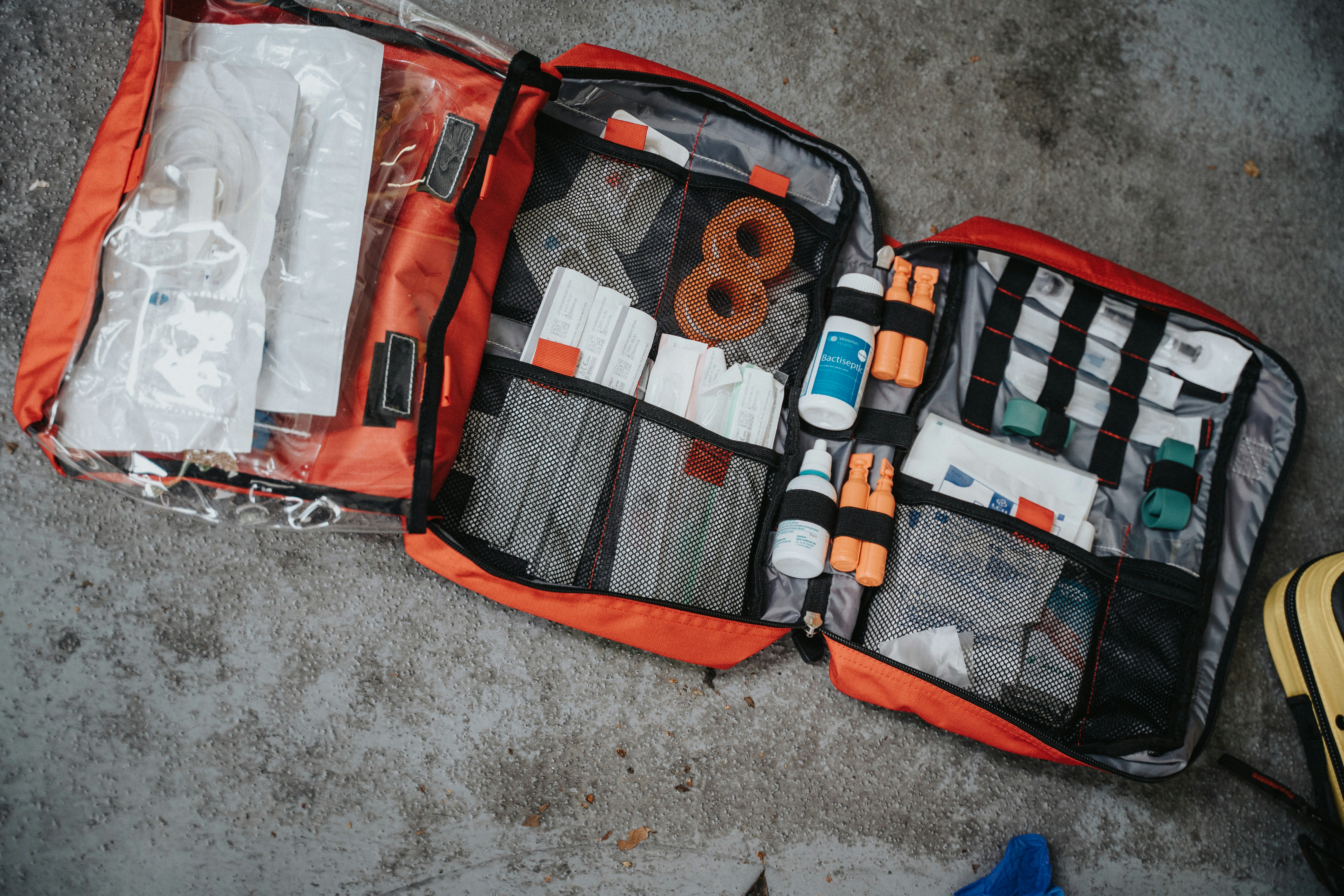

How data-driven insights from EMS decision-makers, agency surveys, and physician focus groups can help new medical products overcome adoption barriers and achieve real-world integration
Bringing a new product into the Emergency Medical Services (EMS) market isn’t as simple as proving it works. Adoption depends on regulatory approval, budget constraints, protocol integration, and frontline provider acceptance. Without thorough market research, even the most innovative medical device or pharmaceutical can struggle to gain traction.
Understanding how EMS decisions are made, what challenges agencies face, and how providers will actually use a product is essential. Market research—through physician focus groups, agency surveys, and real-world data analysis—provides the insights necessary to bridge the gap between product development and widespread EMS adoption.
Understanding EMS Decision-Makers
Unlike in hospital settings, where purchasing decisions often follow a structured process, EMS decision-making is decentralized and influenced by multiple layers of leadership.
Medical directors—often emergency physicians—approve protocols and determine if a product fits within evidence-based EMS care. EMS chiefs and administrators oversee budgets, compliance, and operational priorities. Training officers ensure providers can safely and effectively integrate new tools into patient care. And finally, frontline EMTs and paramedics, while not decision-makers, have the power to embrace or reject a product based on its practicality in the field.
Each of these groups brings unique concerns: Is the product clinically necessary? Is it affordable? Does it require extensive training? Will it work under real-world EMS conditions? Market research helps answer these questions before they become barriers to adoption.
Take the introduction of naloxone (Narcan) for opioid overdoses as an example. Early market research revealed that BLS (Basic Life Support) providers were hesitant to administer naloxone via injection due to training limitations. When manufacturers and policy advocates shifted focus to an intranasal delivery method, adoption increased significantly—proving that stakeholder insights can drive real-world EMS change.
Accelerating EMS Product Integration
Market research isn’t just about identifying barriers—it’s about developing strategies to overcome them. A well-executed research initiative helps EMS brands:
- Pinpoint early adopters—Identifying influential EMS systems that can serve as proving grounds.
- Align with existing standards—Ensuring the product fits into current EMS protocols and best practices.
- Build a coalition of champions—Leveraging engaged medical directors and provider advocates to drive change.
- Support policy and budget discussions—Providing decision-makers with data-driven justifications for adoption.
For EMS products to succeed, they must be more than clinically effective—they must be operationally practical, financially viable, and easily integrated into existing protocols.
Final Thoughts
EMS product adoption is complex, but data-driven market research gives companies a competitive edge. By gathering insights from medical directors, EMS agencies, and frontline providers, brands can avoid costly missteps and accelerate real-world adoption.
For companies preparing to introduce new medical devices, pharmaceuticals, or technologies into EMS, the path forward begins with understanding the people, policies, and practicalities that drive adoption.
Need help developing a market research strategy? TheVitals can help you engage EMS decision-makers, validate demand, and create a roadmap for success.